
Can golf replace workouts and significantly extend your lifespan?
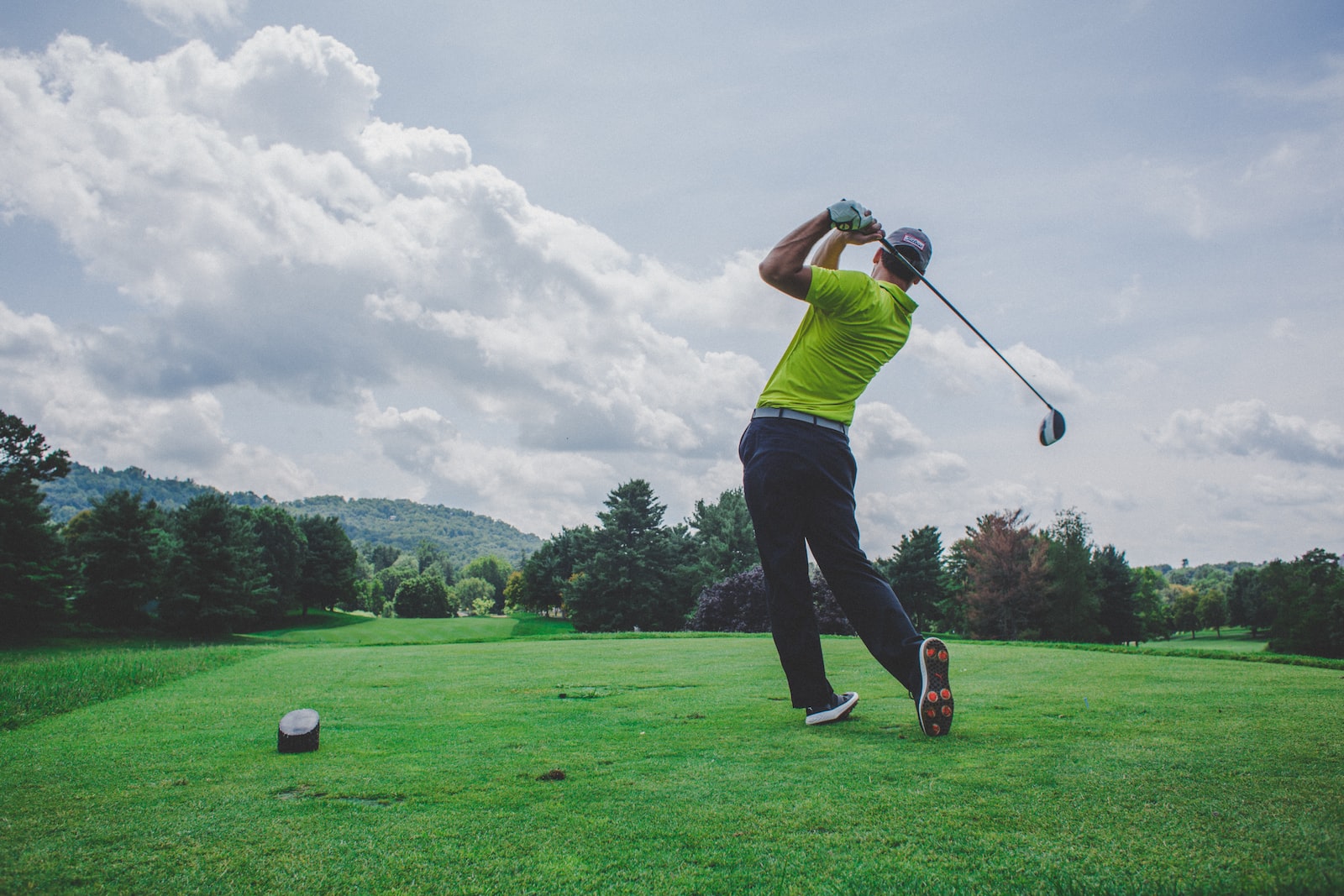
Many people perceive golf as an exclusive pastime or a slow outdoor leisure activity. However, modern science and global experience prove otherwise. More than 55 million people in 200 countries play golf, and there are already over 32,000 golf courses worldwide. A logical question arises: can this sport not only entertain but also bring real health benefits? We will examine how golf affects the body, who it is suitable for, and why its role in self-care is often underestimated.
Popularity and exclusivity of golf
Golf began as a game for the aristocracy, but over the past hundred years, this stereotype has noticeably weakened. In European, Asian, and American countries, golf has become part of the culture of active longevity, where it is chosen by people of various professions, ages, and social groups. Older adults, young people, and families with children find in this game an accessible way to move and socialize.
Experts note the growth in the number of golfers worldwide: while in the 1950s the game was concentrated in the UK and Scandinavia, today golf courses are open in Japan, Australia, South Africa, and Brazil. According to the World Golf Association, each new decade brings a 10% increase in the number of beginners—and this trend has continued for the past half-century. Golf clubs are becoming places for social integration, where people find new friends and learn to interact regardless of age or experience.
What research says about golf’s impact on the heart
When it comes to cardiovascular prevention, specialists recommend regular moderate aerobic exercise. Here, golf turns out to be an ideal sport. Several scientific publications, including a study by the European Society of Cardiology, prove that playing golf is associated with reduced risks for key heart health indicators. Golf enthusiasts show improved cholesterol levels, blood sugar, and overall physical endurance.
Importantly, the game takes place in large open spaces. A classic “18-hole course” covers an area of 4–5 miles. During a round, a person easily covers 10,000 steps, which matches the globally recommended standard for daily activity. At the same time, the load is moderate, it does not overload the joints, but promotes the work of the lungs and heart. Long walks, ascents, and descents among green landscapes increase blood oxygenation and enhance the work of stabilizer muscles.
Golf and life expectancy: how many years can be added
Interest in the connection between golf and longevity is growing. One of the largest studies on this topic was conducted in Scandinavia. More than 300,000 people participated. According to researchers, regular golf players lived on average five years longer than those who did not go out on the course. Moreover, the effect was observed regardless of gender, age, or social status.
Mortality monitoring over 10 years showed that this indicator among golfers is 40% lower than in others. The reasons lie not only in physical activity. Walks among picturesque landscapes, contact with nature, varied terrain, and observing birds and animals create a special atmosphere for recovery. Researchers from the American Stroke Association note that playing golf even once a month is enough to significantly reduce health risks.
Golf as the optimal physical activity for older adults
With age, many sports become difficult to access due to the risk of injury or high endurance requirements. Unlike basketball or tennis, golf is suitable for older people and those with health limitations. In this game, what matters is not so much speed as the stable work of the torso, shoulder girdle, and arms.
Regular swinging helps train balance and coordination. During a shot, the back, abdominal, and thigh muscles are engaged, and repeated movements improve trunk stability. Even if a player cannot walk the entire course, every outing is an opportunity for a gentle warm-up and strengthening of the musculoskeletal system.
Real stories of players over 60 often appear in the media and medical reviews. Many note that thanks to regular golf, they managed to get rid of joint stiffness, increase mobility, and maintain muscle tone without overloading.
Psychological and social benefits of golf
Golf is not only physical activity but also a treasure trove of psychological benefits. Walks in the fresh air and live communication noticeably reduce stress and contribute to a good mood. On the course, conditions are created for making new friends, exchanging experiences, and supporting like-minded people.
Golf helps to:
- Reduce feelings of loneliness through team meetings
- Develop strategic thinking and concentration
- Lower anxiety levels
- Strengthen the sense of achievement and self-confidence
- Maintain intellectual activity even in mature age
Golf and online competitions as a balance between engagement and health
During the pandemic, in the absence of other options, many people switched to digital activity formats: online tournaments, virtual leagues, esports, and even competitive entertainment services, including online games and online gambling platforms.
Statistics from such sites showed a simple trend—people value competition and the feeling of progress, even if it is achieved online.
The competitive online game CS:GO demonstrates such growth—for example, in April 2020, the average number of concurrent players in CS:GO rose to ~857.6 thousand, indicating an increase of almost 28% in a month, and if you open site Nodepositau, which provides information about no deposit bonuses, you can see that users are actively interested in personalized offers and ways to get additional motivation to participate. This confirms that engagement increases when there is an element of reward and the opportunity to compete, even if the action takes place in a virtual environment.
Virtual competition attracts millions of players and provides a sense of progress and involvement, just as real physical activity gives additional benefits to the body. In this respect, golf favorably complements digital forms of competition: it preserves the spirit of competition, which is so important for users of online platforms, and at the same time provides a full load on the body and respiratory system. Playing on the course helps improve coordination, reduce stress, and increase endurance, bringing positive results.
How to become part of the golf world without major expenses
Entering the world of golf is easier than it seems. The first step is to find a course near your home and sign up for a trial lesson with an instructor. Most clubs offer equipment rental, so you don’t need to buy your own clubs or balls right away. The average cost of a first lesson ranges from $50 to $150, and regular visitors can get memberships and discounts.
It is helpful to join beginner groups or find company among friends. This will help you master the rules faster and enjoy your first successes. Before playing, be sure to spend 10–15 minutes warming up: simple exercises for the shoulders, back, and legs will do. Such preparation will protect you from injuries and increase your enjoyment of the game.
Golf—a walk that benefits both body and soul
Is it worth postponing change? Golf is not only a sport, but also a harmonious combination of movement, nature, and live communication. You can enter this world at any age and with any level of preparation. The main thing is to take the first step and see for yourself: golf adds not only health, but also joy to every day.